Computer Science @ The Ohio State University
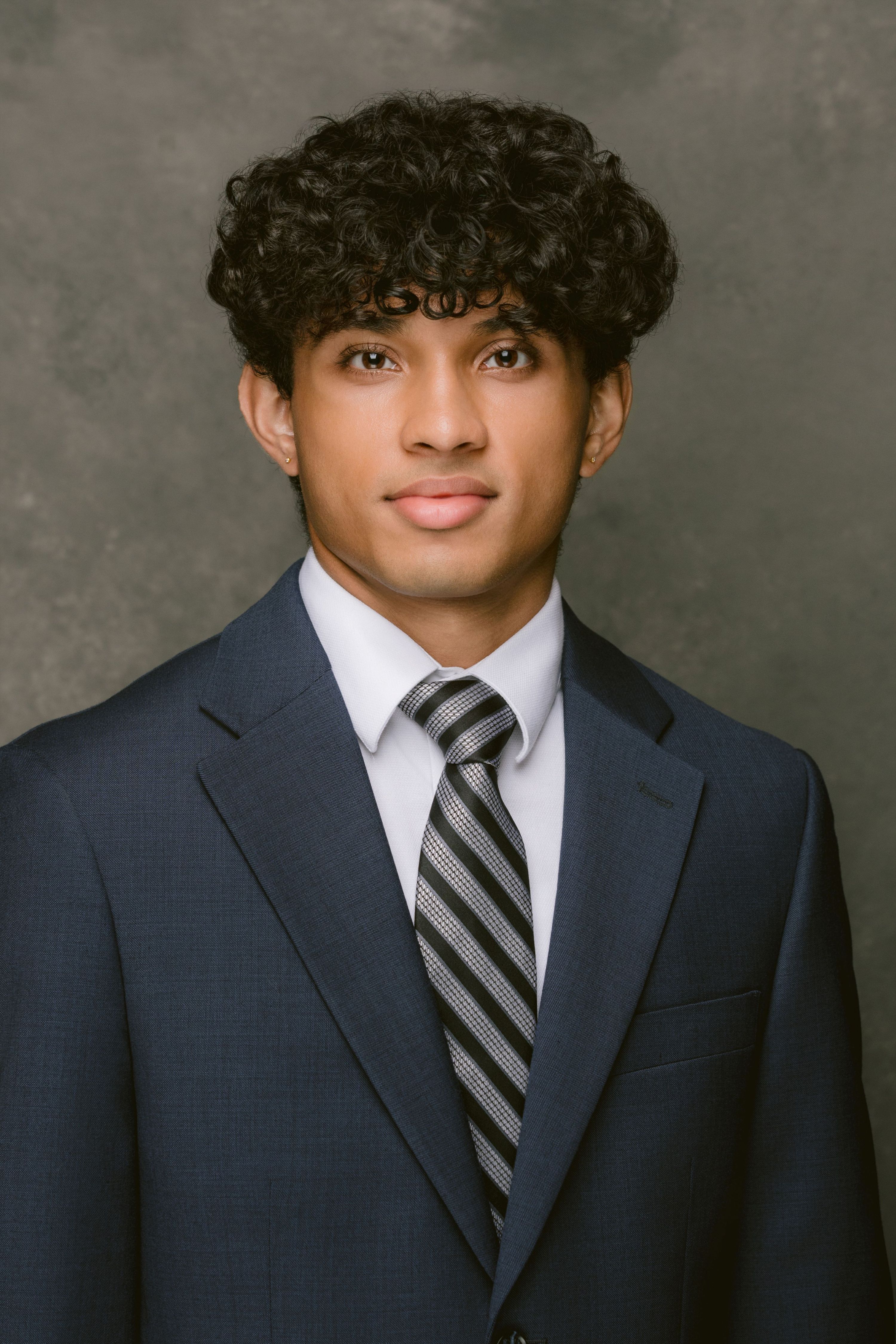
Srujan
Shedimane
I build AI systems that have an impact.
Researcher · Full-stack Engineer · ML Builder
Graduating in 2028.
I build AI systems that have an impact.
Researcher · Full-stack Engineer · ML Builder
Graduating in 2028.
I'm a CS student at Ohio State focused on AI/ML, full-stack development, and cybersecurity. I care about building things that are both technically rigorous and actually useful.
Outside of code, I'm a competitive ex-swimmer and water polo player. I bring the same discipline to shipping software.
Building and shipping full-stack features across a FastAPI/Python backend and Next.js/TypeScript frontend, integrating third-party APIs to power internal business tooling and automation.
Architecting multiple AI-powered agent workflows integrating OpenAI API, third-party data sources (Perplexity, POS systems), and live menu content to automate restaurant operations end-to-end.
Evaluating multi-turn model responses using rigorous logical analysis, identifying systemic failure modes and edge cases in LLM behavior across complex algorithmic reasoning and technical domains.
Developing AI-driven health features for a digital health application to improve cardiovascular outcomes for cancer survivors. Combining RAG pipelines, wearable data integration, and behavioral science prompting frameworks.
Building automated data pipelines for political science research, including web scraping, classification of documents using ML techniques, and SCOTUS data analysis.
Designed and facilitated an online SAT Math bootcamp for high school students, covering algebra, problem-solving, and test-taking strategies. Led structured lessons and interactive practice sessions, adapting teaching style to diverse learning needs.
Designed and built iOS applications using Swift, contributing to production apps with full feature ownership from concept to deployment.
Soccer player market value prediction for Europe's Big 5 leagues. Three-branch ensemble model with genuine temporal train/test split. Presented at the BDAA Research Gala, and tied for 1st place.
Two-stage deep learning pipeline for early eating disorder detection via retinal OCT biomarkers. U-Net segmentation of retinal layers followed by a thickness-feature classifier.